


Participating cities
Presentation of the participating cities: Karlskrona, Gdynia and Klaipeda.
Bildspel med deltagande städer
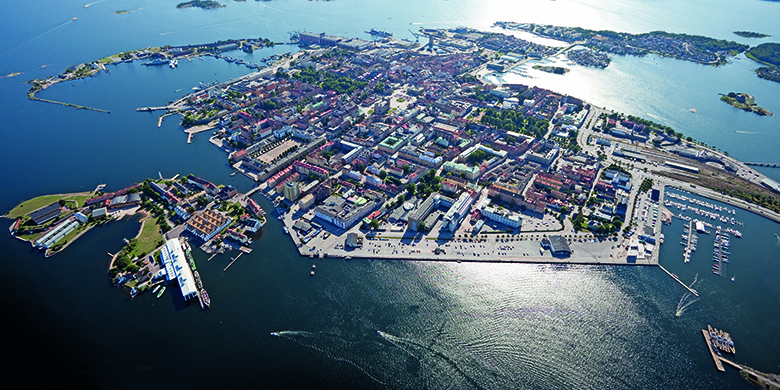
Karlskrona
Drop anchor in Karlskrona, a town that was founded in 1680 when Karl XI decided to establish the country’s naval base here. More than 300 years later the naval base is still here in Karlskrona – the town where old meets new and tradition meets innovation. Karlskrona’s impressive and well-preserved architecture and town plan gained the town World Heritage status in 1998, and everywhere you go you can see evidence of this. Elegant churches, grand squares, fashionable streets and historic fortifications draw visitors from around the world.
More information:
https://www.karlskrona.se/kultur-fritid-och-turism/turism/
http://www.visitkarlskrona.se/en/top-5-what-not-to-miss-when-visiting-karlskrona
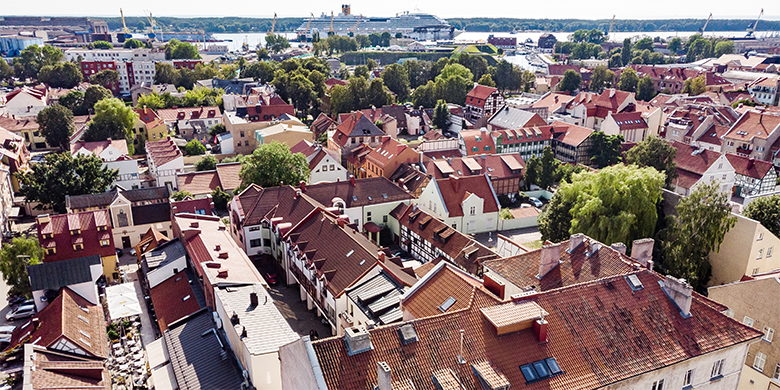
Klaipėda
Located on Lithuania's Western coast, Klaipėda sits at the crossroads of trade routes from North to South, and West to East. As the country's third largest city, it is a regional business, education, culture, tourism and administration centre. Its historic importance as a trading city has been maintained to this day, especially thanks to its deep-water port, which is the busiest in the region. Located in the Schengen Zone of the EU, it's excellent rail, road and air networks make it an ideal logistics hub for operations in the EU, Nordic region and CIS. It was also the first city in the region to establish a Free Economic Zone (FEZ), which is now home to more than 100 companies. More than €600 million has already been invested by the companies in the FEZ, which together generated around €900 million annual turnover in 2016. Klaipėda FEZ became the first ever recipient of a Quick Launch Award from fDi Intelligence.
In addition, Klaipeda astonishes with its rich cultural life. And is the host for international events like the “Baltic Tall Ship Races“, “International Castle Jazz Festival”.
More information:
https://www.klaipeda.lt/en/why-i-have-chosen-klaipeda/2056
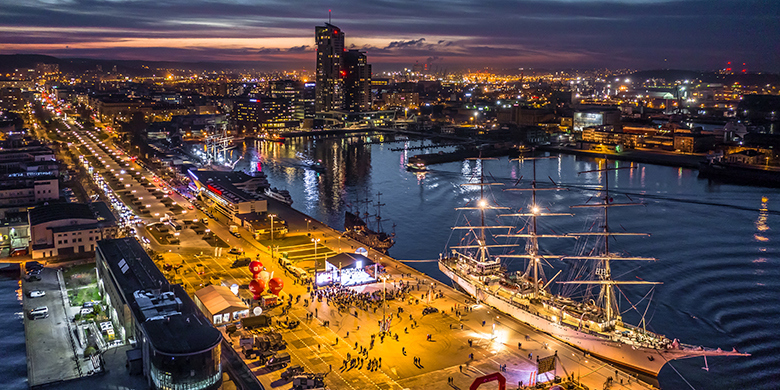
Gdynia
Gdynia is a young, dynamic and fast-growing Polish city, a part of Gdańsk-Gdynia-Sopot Metropolitan Area, which is inhabited by more than 1.5 million people. The city was first mentioned in the 13th century as a fishing village. Its career began after World War I, when it became Poland's main harbour and the big sea port at the Baltic Sea, which it still is today.
Gdynia has a strategic location at the junction of important international transport corridors, running from Scandinavia and North-Eastern Europe towards Southern Europe and the Mediterranean Sea. The positive image of the city in Poland and Europe is influenced by educated, enterprising residents, high quality of life, open and favorable business and financial environment and attractive development prospects.
Gdynia was the first city in Poland and this part of Europe to receive the ISO 37120 certificate. Having a sustainable development certificate is an important starting point for negotiations with investors.Gdynia has been awarded “The Polish City of the Future” three times in a row by fDi Magazine.
More information:
https://www.gdynia.pl/turystyczna-en