


The First 25 Years of the World Heritage Site
On December 3, 1998, the Naval Port of Karlskrona was added to UNESCO’s World Heritage List. To follow up on what has happened within the World Heritage Site since 1998, the municipality has commissioned a cultural heritage assessment.
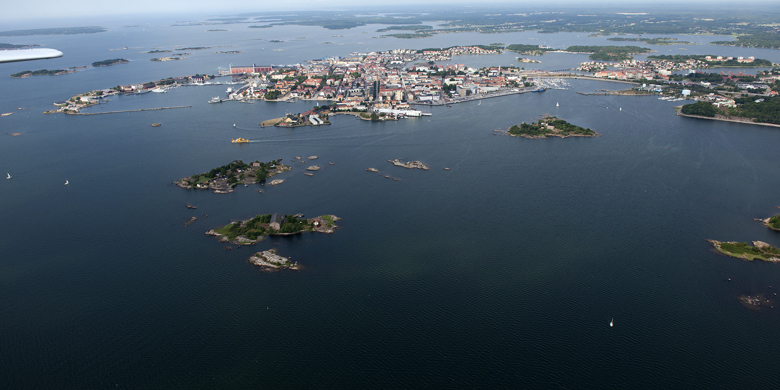
The most skilled architects in Sweden during the 17th century were engaged to realize Karl XI’s vision of Sweden’s new naval base. More than 340 years later, Karlskrona still serves as a naval base, with a well-preserved city plan where churches, squares, and streets remain as they were originally designed.
Karlskrona is a living World Heritage Site and a city in constant development. Our shared responsibility is to care for this cultural heritage while building for the future. Since the World Heritage designation, several measures have been undertaken in consultation with the World Heritage Council to manage, preserve, and develop this unique place on Earth.
Comprehensive Overview
To monitor what has happened within the World Heritage Site since 1998, the municipality has commissioned a cultural heritage assessment. The report provides a comprehensive overview of how the city has changed and the impact it has had on the World Heritage Site.
The analysis also serves as a valuable foundation for the recently initiated work on a preservation and development plan for the World Heritage Site, outlining guidelines for future efforts to preserve and develop our heritage.
Few Demolitions Within the World Heritage Boundaries
Since the Naval Port of Karlskrona became a World Heritage Site, relatively few demolitions have occurred within its boundaries. New construction has, with some exceptions, primarily taken place on areas that have been undeveloped since at least the 1970s. The cityscape largely appears as it did then, with only minor changes.
The Cityscape is Largely Perceived as Intact
In summary, the report concludes that while changes have occurred that have had a negative impact on the values of the World Heritage Site, the perception of the cityscape as it appeared in 1998 remains largely intact.
Below, you can access the cultural heritage assessment prepared by Nyréns Arkitektkontor on behalf of Karlskrona Municipality (the report is in Swedish).